
Are Stainless Steel Cone Strainers Reusable?
Yes, stainless steel cone strainers are often reusable when they are properly cleaned and inspected after operation. In industrial startup filtration systems, reusable cone strainers are widely used to protect pumps, valves, and downstream equipment from welding slag, rust, and pipeline debris.
Compared with disposable temporary filters, stainless steel cone strainers provide better mechanical strength, corrosion resistance, and longer service life.
Most reusable witches hat strainers are manufactured from:
SS304 stainless steel
SS316 stainless steel
Duplex stainless steel
These materials are commonly selected for temporary pipeline filtration, commissioning operations, and pump protection systems in oil & gas, chemical processing, and water treatment industries.
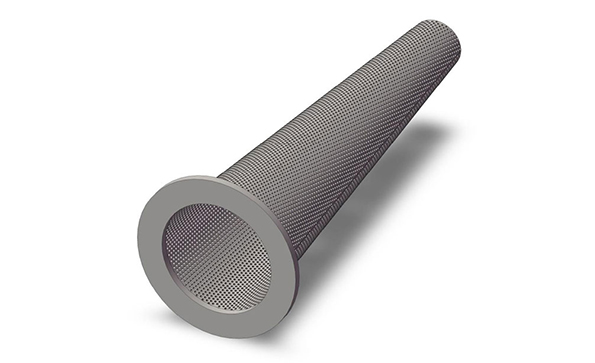
Several operating conditions determine whether a cone strainer can be reused safely.
1. Mesh Condition
The mesh should be inspected for:
• Tears
• Deformation
• Broken welds
• Permanent clogging
Fine mesh strainers may wear faster when exposed to heavy debris loads or high differential pressure.
2. Corrosion Resistance
Material selection directly affects service life.
• SS304 is suitable for general industrial systems
• SS316 offers improved corrosion resistance
• Duplex stainless steel is preferred for more demanding environments
If severe corrosion or pitting appears, the strainer should be replaced.
3. Type of Debris
Reusable lifespan may decrease when the strainer captures:
• Weld slag
• Metal fragments
• Sand particles
• Hardened deposits
Sticky or corrosive contaminants are usually more difficult to remove completely.
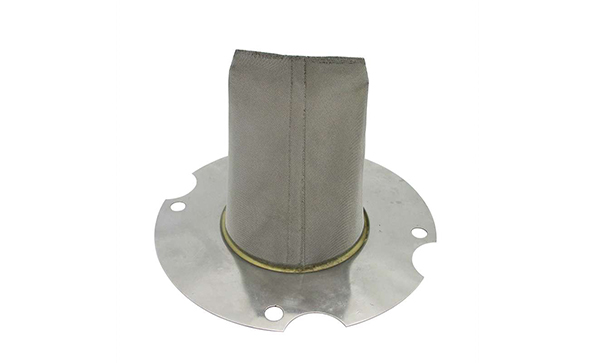
Proper cleaning helps extend reusable service life.
Common cleaning methods include:
1. Water Flushing
High-pressure water flushing removes loose debris and rust particles from the mesh surface.
2. Chemical Cleaning
Chemical cleaning may be used for oily residue or hardened process contamination. Cleaning solutions should always be compatible with stainless steel materials.
3. Ultrasonic Cleaning
Ultrasonic cleaning is often used for fine mesh cone strainers that require more precise particle removal.
After cleaning, the strainer should be inspected carefully before reuse.
Service life depends on:
• Mesh size
• Operating pressure
• Debris load
• Material grade
• Cleaning frequency
In many industrial systems, stainless steel cone strainers can be reused for multiple startup and commissioning cycles when maintained correctly.
However, damaged or heavily corroded strainers should not be returned to service.
To improve reusable performance:
• Select the correct stainless steel grade
• Avoid excessive pressure differential
• Clean the strainer immediately after use
• Inspect the mesh after every startup operation
• Replace damaged mesh components promptly
Proper sizing and material selection also help reduce premature wear.
1. Can temporary cone strainers be reused?
Yes. Stainless steel temporary cone strainers are often reused after cleaning and inspection.
2. Does mesh size affect reusable lifespan?
Yes. Fine mesh strainers usually require more careful cleaning and maintenance than coarse mesh designs.
3. Is SS316 better than SS304 for reusable cone strainers?
SS316 generally provides better corrosion resistance in aggressive industrial environments.
Stainless steel cone strainers are commonly reused in industrial filtration systems because they provide reliable debris removal, corrosion resistance, and long operational life.
Routine inspection, proper cleaning, and suitable material selection are essential for maintaining reusable performance and protecting downstream equipment during startup and commissioning operations.
For a full overview of cone strainer design and use: Witches Hat Strainer Guide



